The Unsung Hero of Modern Homes: Exploring the World of Robot Vacuum Cleaners
In today's hectic world, where time is a precious commodity, the demand for smart home devices that simplify day-to-day chores is ever-increasing. Among these ingenious gadgets, the robot vacuum cleaner stands out as a particularly valuable addition to any household. These compact and smart devices have actually transformed the way we approach floor cleaning, providing benefit and performance that was when unimaginable. No longer relegated to futuristic fantasies, robot vacuum cleaners are now mainstream, continuously progressing with enhanced features and abilities, solidifying their location as an unrecognized hero of contemporary home maintenance.
This article explores the fascinating world of robot vacuum cleaners, exploring their inner operations, the diverse types readily available, their myriad advantages, and what to think about when selecting the perfect robotic cleaning buddy for your home.
Translating the Technology: How Robot Vacuums Operate
Behind their simple outside lies a complicated network of sensors, algorithms, and mechanical parts that enable robot vacuum cleaners to autonomously browse and clean your floors. Understanding the core technologies at play supplies a deeper appreciation for these creative devices:
1. Navigation and Mapping:
Sensors: Robot vacuums are geared up with a variety of sensing units, consisting of:
- Bump Sensors: These spot physical barriers, permitting the robot to alter instructions upon collision.
- Cliff Sensors: Located on the bottom, these infrared sensing units prevent the robot from falling down stairs or ledges by finding abrupt drops.
- Wall Sensors: These help the robot follow walls and edges for comprehensive cleaning along boundaries.
- Optical or Visual Sensors: More sophisticated designs utilize electronic cameras and visual mapping technology (SLAM - Simultaneous Localization and Mapping) to develop a detailed map of the home. This permits more methodical cleaning patterns and targeted room cleaning.
- Gyroscope and Accelerometer: These assist track the robot's motion and orientation, assisting in effective navigation.
Navigation Algorithms: Based on sensing unit data, sophisticated algorithms assist the robot's cleaning course. Common navigation patterns include:
- Random Bounce: Simple designs utilize a random pattern, bouncing off challenges up until the location is covered-- although less efficient, it still cleans.
- Spiral Cleaning: The robot relocates progressively larger spirals to clean up a concentrated area.
- Edge Cleaning: The robot follows the perimeter of the room to make sure edges and corners are resolved.
- Systematic Cleaning (Zig-Zag, Row-by-Row): Advanced designs with mapping capabilities clean in arranged lines, taking full advantage of coverage and performance.
2. Cleaning Mechanisms:
Brushes: Most robot vacuums use a mix of brushes to loosen and lift dirt and debris.
- Main Brush (Roller Brush): Located underneath, this rotating brush agitates carpets and sweeps particles towards the suction inlet. Bristles are frequently created for various floor types.
- Side Brushes: Extending out from the side of the robot, these little brushes sweep debris from edges and corners towards the primary brush.
- Suction Power: A motor generates suction to draw dust and particles into the dustbin. Suction power varies between models, impacting their effectiveness on various floor types and with different types of debris, like pet hair.
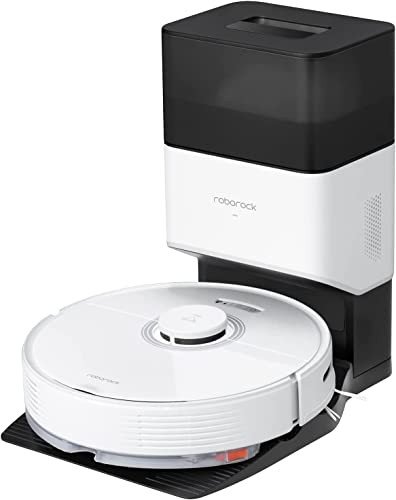
- Dustbin: Collected dirt and particles are stored in an internal dustbin. Capability varies, and some models provide self-emptying functions where the dustbin is instantly emptied into a larger base station.
A Spectrum of Choices: Types of Robot Vacuum Cleaners
The robot vacuum market varies, providing models customized to numerous requirements and budgets. Here are some key classifications:
- Basic Robot Vacuums: These are typically affordable and offer essential cleaning functions like random navigation, basic brushes, and dust collection. They are appropriate for smaller spaces and lighter cleaning requirements.
Smart Mapping Robot Vacuums: Equipped with visual or LiDAR (Light Detection and Ranging) mapping, these models produce detailed maps of your home. This makes it possible for features like:
- Room-by-Room Cleaning: You can designate particular rooms to be cleaned.
- No-Go Zones: Establish virtual limits to prevent the robot from going into certain locations.
- Customized Cleaning Schedules: Set cleaning schedules for specific rooms or zones at different times.
- Robot Vacuum Mops: Many modern-day robot vacuums incorporate mopping functionality. These usually have a water tank and a mopping pad that damp-wipes difficult floorings after vacuuming or as a standalone mopping cycle. Some advanced designs can distinguish between vacuuming and mopping modes successfully.
- Self-Emptying Robot Vacuums: For supreme benefit, self-emptying models automatically transfer gathered debris from the robot's dustbin into a bigger dust bag or bin within a docking station. This considerably decreases the frequency of manual dustbin emptying.
- Pet-Friendly Robot Vacuums: Designed particularly to tackle pet hair, these models typically include more powerful suction, tangle-free brush designs, and bigger dustbins to manage the demands of pet-owning homes.
Opening the Benefits: Why Choose a Robot Vacuum?
The appeal of robot vacuum extends beyond their novelty. They use tangible advantages that streamline home cleaning and improve lifestyle:
- Convenience and Time-Saving: The most substantial advantage is the automatic cleaning. Robot vacuums effortlessly deal with daily floor cleaning, maximizing your time for other tasks or just relaxation. Set a schedule, and they work while you are at work, running errands, or enjoying your leisure time.
- Constant Cleaning: Robot vacuums can be configured to clean routinely, maintaining a consistently cleaner home. Regular, light cleaning is typically more reliable at avoiding dirt and dust accumulation than infrequent, deep cleans up.
- Improved Indoor Air Quality: Many robot vacuums are geared up with HEPA filters that trap fine dust particles, allergens, and pet dander. Routine use can contribute to enhanced indoor air quality, specifically beneficial for allergic reaction victims.
- Reaching Under Furniture: Their low profile allows robot vacuums to browse under beds, couches, and other furnishings, areas frequently missed by standard vacuums. This guarantees comprehensive cleaning in hard-to-reach areas.
- Minimized Effort and Strain: For individuals with movement issues, pain in the back, or hectic lifestyles, robot vacuums remove the physical pressure and effort related to manual vacuuming.
- Smart Home Integration: Many designs incorporate with smart home communities, allowing control through mobile phone apps, voice assistants (like Alexa or Google Assistant), and custom automation regimens.
Browsing the Purchase: Choosing the Right Robot Vacuum for You
Choosing the perfect robot vacuum needs cautious factor to consider of your particular requirements and home environment. Here are key aspects to evaluate:
- Home Size and Layout: Larger homes or multi-story homes might benefit from models with longer battery life and smart mapping for efficient protection. Complex layouts with numerous barriers might necessitate innovative navigation features.
- Floor Types: Consider the dominant floor types in your home. For predominantly difficult floors, a standard design with great suction and mopping abilities might be sufficient. robo vacuum with carpets and carpets will require models with more powerful suction and brush designs effective on carpets.
- Pet Ownership: If you have family pets, focus on pet-friendly designs with strong suction, tangle-free brushes, and larger dustbins to handle pet hair effectively. HEPA filtration is likewise extremely helpful for pet allergies.
- Budget: Robot vacuum prices differ commonly. Identify your spending plan and focus on functions that are most essential to you. Fundamental models use important cleaning at lower rate points, while sophisticated features come with higher costs.
- Smart Features: Evaluate the value of smart functions like mapping, space selection, no-go zones, app control, and voice assistant combination based on your tech savviness and wanted level of control.
- Battery Life and Charging Time: Ensure the battery life is adequate to clean your home on a single charge. Consider the charging time too.
- Upkeep Requirements: Research the ease of dustbin emptying, brush cleaning, and filter replacement for different models. Self-emptying designs minimize upkeep frequency, however may have higher in advance expenses.
- Noise Level: Robot vacuum noise levels differ. If noise level of sensitivity is a concern, examine the decibel ranking of different designs.
In summary, when choosing a robot vacuum, consider these factors:
Factors to Consider When Buying a Robot Vacuum Cleaner:
- Home Size and Layout
- Floor Types (Hardwood, Carpet, Tile)
- Presence of Pets
- Spending plan
- Desired Smart Features (Mapping, App Control, Voice Integration)
- Battery Life and Charging Time
- Upkeep Requirements (Dustbin Capacity, Brush Cleaning)
- Noise Level
Keeping it Clean: Maintaining Your Robot Vacuum
Like any appliance, correct upkeep is vital to ensure your robot vacuum cleaner runs effectively and delights in a long lifespan. Regular upkeep typically involves:
Robot Vacuum Maintenance Tips:
- Empty the Dustbin Regularly: Empty the dustbin after each cleaning cycle or as often as required, especially if you have family pets or produce a great deal of dust.
- Clean the Brushes: Regularly eliminate and clean up the primary brush and side brushes. Hair and particles can tangle around the brushes, lowering their effectiveness. Some brushes are developed to be tangle-free, but still require routine cleaning.
- Clean or Replace Filters: Clean or change filters according to the maker's suggestions. This preserves suction power and guarantees effective filtration.
- Wipe Sensors: Gently clean sensing units with a dry fabric to remove dust and debris. Clean sensing units are important for precise navigation.
- Inspect Wheels and Casters: Ensure wheels and casters are free of debris and rotate efficiently.
- Maintain Mopping Pads (if appropriate): Wash or change mopping pads as directed to maintain health and cleaning performance.
- Update Firmware (if relevant): For smart models, keep the firmware updated to benefit from efficiency enhancements and brand-new functions.
Acknowledging Limitations: Potential Drawbacks
While robot vacuum cleaners offer various benefits, it is essential to acknowledge their constraints:
- Corner and Edge Cleaning: While side brushes assist, robot vacuums can sometimes struggle to completely clean corners and edges, especially in detailed space designs. Periodic manual edge cleaning might still be required.
- Obstacle Navigation: Low-lying cords, small things on the floor, and thick, shaggy rugs can sometimes position difficulties. Cord management and pre-cleaning clutter is typically required.
- Stairs (for the most part): Most robot vacuums can not climb up stairs, needing manual carrying for multi-level homes unless you have a devoted robot for each floor.
- Initial Cost: The in advance expense of a robot vacuum can be higher than standard vacuums, particularly for innovative models with mapping and self-emptying functions.
- Deep Cleaning Power: While outstanding for preserving cleanliness, robot vacuums may not have the deep cleaning power of a full-size upright vacuum for greatly stained areas or deep stack carpets.
The Future is Autonomous: The Evolution of Robot Vacuums
The technology behind robot vacuum continues to advance quickly. Future trends include:
- Improved AI and Navigation: Expect even more advanced AI-powered navigation with much better things acknowledgment, barrier avoidance, and personalized cleaning routines.
- Boosted Cleaning Performance: Developments in brush designs, suction technology, and mopping systems will lead to much more effective cleaning across diverse floor types.
- Combination with Smart Home Ecosystems: Seamless combination with more comprehensive smart home platforms and environments will further improve automation and control.
- More Affordable Advanced Features: As technology matures, advanced features like mapping and self-emptying are likely to end up being more accessible at lower price points.
- Specialized Robots: We might see more specific robot vacuums created for particular jobs, such as window cleaning or furniture cleaning.
Conclusion: Embracing the Robotic Cleaning Revolution
Robot vacuum have actually undeniably transformed home cleaning, providing a blend of benefit, performance, and smart technology that lines up perfectly with modern way of lives. While not a total replacement for all cleaning jobs, they are vital tools for keeping tidy floors with minimal effort. By comprehending their capabilities, types, and upkeep needs, you can pick the ideal robot vacuum to become your quiet cleaning partner, freeing up your time and contributing to a cleaner, much healthier home environment. Welcome the robotic cleaning revolution and experience the simple and easy cleanliness they bring.
Frequently Asked Questions (FAQs) about Robot Vacuum Cleaners
Q: Are robot vacuum cleaners reliable at cleaning?A: Yes, robot vacuums are reliable for day-to-day maintenance cleaning, eliminating dust, dirt, and pet hair from floors. Advanced designs with strong suction and mapping are especially reliable. While they may not have the power of a full-size vacuum for deep cleaning heavily soiled locations, they are outstanding for consistent maintenance.
Q: How long do robot vacuum batteries last?A: Battery life varies between designs, generally ranging from 60 to 120 minutes on a single charge. Advanced models frequently have longer run times. Some models likewise use recharge and resume functions, going back to the charging dock and after that continuing cleaning from where they ended.
Q: Are robot vacuums noisy?A: Robot vacuum noise levels vary. Some standard designs can be relatively peaceful, while those with more powerful suction motors might be louder, however typically still quieter than traditional vacuums. Sound levels are usually equivalent to a low conversation or a running dishwasher.
Q: Can robot vacuums manage pet hair?A: Many robot vacuums are particularly developed for pet hair. Search for models promoted as pet-friendly, which normally feature stronger suction, tangle-free brushes, and bigger dustbins to manage pet hair successfully. HEPA filters are likewise advantageous for pet allergic reaction victims.
Q: Can robot vacuums clean carpets?A: Yes, numerous robot vacuums can clean up carpets, specifically low-pile carpets and carpets. Designs with stronger suction and brush styles optimized for carpets are more efficient. Nevertheless, for deep cleaning high-pile carpets, a standard upright vacuum might still be essential.
Q: Do robot vacuums require a great deal of maintenance?A: Robot vacuums require some maintenance, but it is usually simple. Regular jobs include emptying the dustbin, cleaning brushes, and changing filters. Self-emptying designs considerably reduce the frequency of dustbin emptying.
Q: What is the life expectancy of a robot vacuum cleaner?A: The life-span of a robot vacuum cleaner can vary depending on use, maintenance, and model quality. With proper care and upkeep, a great quality robot vacuum can last for several years (usually 3-5 years or more).
Q: Are robot vacuums worth the investment?A: For lots of individuals, robot vacuums are a worthwhile financial investment due to the benefit, time-saving benefits, and consistent cleaning they provide. The value proposal depends upon individual requirements, lifestyle, and determination to purchase automated cleaning solutions.