Navigating the Market: A Comprehensive Guide to Buying a Robot Vacuum
In the world of home automation, robot vacuums have ended up being a common and highly sought-after home appliance. These smart devices offer convenience, performance, and a hands-off technique to maintaining a clean home. However, with a myriad of choices readily available, choosing the best robot vacuum can be a complicated job. This guide intends to offer a detailed overview of the key elements to consider when purchasing a robot vacuum, making sure that readers make a notified and confident purchase.
Comprehending the Basics
A robot vacuum is an autonomous cleaning gadget designed to browse and tidy floors without direct human intervention. These devices use innovative sensing units and algorithms to map out spaces, avoid challenges, and tidy successfully. Some models even offer features like remote control through smart device apps, voice commands, and integration with smart home systems.
Secret Factors to Consider
Spending plan
- Robot vacuums can range from economical designs to high-end, feature-packed gadgets. Determine your budget plan before starting your search to narrow down your options.
- Entry-level designs normally begin around ₤ 100, while premium models can cost upwards of ₤ 500.
Floor Type
- Various robot vacuums are created for various floor types. Some are better suited for difficult floorings, while others excel on carpets.
- Hard Floors (Tile, Wood, Laminate): Look for models with strong suction and a water tank for mopping capabilities.
- Carpets: Choose models with powerful motors and adjustable suction settings to handle thicker carpets.
Room Size and Layout
- Think about the size of your home and the intricacy of its layout. Big homes might need a more powerful and effective design.
- Little Apartments: A compact model with standard features might be adequate.
- Homes with Multiple Rooms: Opt for a model with sophisticated mapping abilities and several cleaning modes.
Cleaning Performance
- Suction Power: Higher suction power implies better cleaning. Search for designs with a minimum of 1000 Pa of suction for basic cleaning.
- Brush Type: Rubber brushes are better for picking up pet hair and are less susceptible to tangling, while bristle brushes work on a variety of debris.
- Filter Quality: High-quality filters, particularly HEPA filters, are important for trapping allergens and dust.
Battery Life and Charging
- Battery Life: For big homes, a longer battery life is crucial. A lot of models provide battery life ranging from 60 to 120 minutes.
- Auto-Return to Dock: This feature guarantees that the robot vacuum go back to its charging dock when the battery is low, charges, and resumes cleaning.
Navigation and Mapping
- LIDAR vs. Visual Navigation: LIDAR (Light Detection and Ranging) technology uses more exact and efficient mapping, but it can be more pricey. Visual navigation utilizes cams and is normally less precise but more affordable.
- Mapping Capabilities: Advanced models can produce detailed maps of your home, enabling you to set no-go zones and schedule particular cleaning times for each space.
Smart Features
- App Control: Most robot vacuums include a smartphone app that allows you to manage and keep an eye on cleaning sessions.
- Voice Control: Integration with smart assistants like Amazon Alexa, Google Assistant, or Apple Siri adds an extra layer of benefit.
- Arrange Cleaning: Set particular times for the robot to tidy, ensuring your home is always clean.
Dustbin Capacity
- The size of the dustbin impacts how frequently you need to empty it. Larger bins are more convenient for larger homes or those with animals.
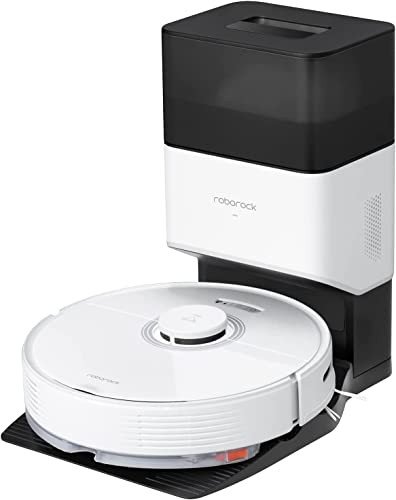
- Self-Emptying Stations: Some models feature self-emptying stations, which automatically clear the dustbin into a bigger container, reducing maintenance.
Sound Level
- If you prepare to run the robot vacuum throughout the day, try to find models with lower sound levels. Most run in between 50 to 60 decibels, which is similar to a quiet conversation.
Consumer Support and Warranty
- Ensure the producer provides reliable consumer assistance and a generous guarantee. Most credible brand names offer at least an one-year warranty.
Leading Recommendations
iRobot Roomba i7+
- Pros: LIDAR navigation, self-emptying dustbin, app control, voice activation.
- Cons: Expensive, bigger size may be a disadvantage in little spaces.
- Best For: Large homes, pet owners, tech enthusiasts.
Eufy RoboVac 11S
- Pros: Affordable, good cleaning performance, compact style.
- Cons: Basic navigation, shorter battery life.
- Best For: Small apartment or condos, budget-conscious purchasers.
Neato Robotics D7
- Pros: LIDAR navigation, effective suction, large dustbin.
- Cons: No self-emptying station, higher price point.
- Best For: Homes with several spaces, those requiring precise cleaning.
Roborock S5 Max
- Pros: Advanced mapping, powerful suction, app control.
- Cons: Not as widely known brand, some users report connection issues.
- Best For: Tech-savvy users, large homes with complex designs.
Dyson 360 Heurist
- Pros: Excellent suction, robust build, advanced navigation.
- Cons: Very costly, minimal series of settings.
- Best For: High-end users, those requiring top-tier cleaning efficiency.
Frequently asked questions
1. Are robot vacuums efficient?
- Yes, robot vacuums are normally efficient, especially for day-to-day maintenance cleaning. They can deal with most typical household particles, including dust, hair, and little particles.
2. Can robot vacuums tidy carpets?
- Yes, numerous robot vacuums are developed to tidy carpets. Search for models with adjustable suction power and strong motors to ensure they can handle thicker carpets.
3. How typically should I run my robot vacuum?
- For best outcomes, run your robot vacuum at least once a day. This helps keep your floors clean and reduces the workload throughout deep cleaning sessions.
4. Can I control my robot vacuum with a smart device app?
- The majority of contemporary robot vacuums come with smartphone apps that permit you to control and arrange cleaning sessions, screen performance, and receive notices.
5. Are robot vacuums loud?
- Robot vacuums are usually quieter than standard vacuums, running at around 50 to 60 decibels. However, robot vacume can be louder, so check the sound level before purchasing.
6. Do robot robot vacume stuck quickly?
- Advanced designs with LIDAR or visual navigation are less most likely to get stuck, but it can still happen. Routinely check for barriers and guarantee the robot has enough clearance to navigate.
7. For how long do robot vacuums last?
- With correct maintenance, a robot vacuum can last 3 to 5 years. Regular cleaning of brushes and filters, and prompt battery replacements can extend its lifespan.
8. Can I use a robot vacuum with pets?
- Yes, lots of robot vacuums are specifically designed to deal with pet hair. Try to find designs with rubber brushes and effective suction.
Picking the right robot vacuum involves balancing your budget plan, home size, and particular cleaning needs. By thinking about the aspects described in this guide, you can discover a design that fits your lifestyle and guarantees a clean, well-kept home. Whether you're a tech lover or a budget-conscious buyer, there's a robot vacuum out there that's perfect for you. Delighted shopping!
Additional Tips
- Routine Maintenance: Keep your robot vacuum tidy and well-maintained to make sure optimum efficiency. Regularly check and clean up the brushes, filters, and sensing units.
- Challenge Avoidance: Remove large barriers and make sure there suffices clearance for the robot to browse. This will prevent it from getting stuck or damaging itself.
- Test Before Committing: If possible, check out a model before buying. Lots of merchants use in-store demonstrations or trial durations.
- Read Reviews: Check online evaluations and ratings to get insights from other users who have experience with the model you're considering.
By following these suggestions and thinking about the essential elements, you can make an educated decision and delight in the benefit and efficiency of a robot vacuum.