The Ultimate Guide to Choosing the very best Robot Vacuum Cleaner for Your Home
In today's hectic world, the appeal of a tidy home without the hassle of traditional tasks is more powerful than ever. Get in the robot vacuum cleaner -- a marvel of modern-day technology created to liberate you from the tiresome task of vacuuming. These self-propelled cleaning companions have actually developed from novel gadgets to essential home devices, using convenience, effectiveness, and time-saving advantages that resonate with hectic people and households alike.
But with a wide variety of designs flooding the marketplace, each boasting an unique range of features and capabilities, navigating the selection procedure can feel frustrating. Picking the "best" robot vacuum cleaner isn't about choosing the most costly or feature-packed choice; it's about discovering the perfect match for your particular needs, home environment, and way of life.
This comprehensive guide will explore the world of robot vacuum, equipping you with the understanding to make a notified choice. We'll explore the crucial factors to consider, the different innovations at play, and supply insights to help you pick a robotic cleaning buddy that genuinely enhances your home and simplifies your life.
Understanding the Magic Behind Robot Vacuum Cleaners
Robot vacuum are basically autonomous mobile devices equipped with sensing units, brushes, and suction abilities created to tidy floorings without human intervention. They navigate your home, drawing up dust, dirt, pet hair, and debris, all while you focus on more satisfying activities.
The core functionality focuses on a number of essential components:
- Navigation System: This is the brain of the robot, accountable for mapping and traversing your home efficiently. Navigational innovations vary from basic bump-and-go systems to sophisticated LiDAR (Light Detection and Ranging) and visual SLAM (Simultaneous Localization and Mapping).
- Cleaning System: This typically consists of brushes (main brushroll and side brushes) to loosen debris and a suction motor to raise dirt into a dustbin. Some designs likewise include mopping functionalities.
- Sensing units: These are vital for navigation and obstacle avoidance. Sensors can consist of cliff sensing units to avoid drops stairs, bump sensing units to detect barriers, wall sensing units for edge cleaning, and dirt detection sensors to focus on heavily soiled areas.
- Power System: Robot vacuums are battery-powered and rechargeable. Battery life and charging time are crucial elements to think about based on your home size.
- Smart Features: Many modern robot vacuums provide smart functions like app control, scheduling, voice assistant combination, virtual limits, and multi-floor mapping, enhancing user control and modification.
Secret Factors to Consider When Choosing Your Robot Vacuum Cleaner
Finding the 'best' robot vacuum truly comes down to lining up the device's abilities with your home's unique qualities and your cleaning requirements. Here's a breakdown of the essential elements you ought to examine:
1. Navigation and Mapping Prowess:
The navigation system dictates how effectively and efficiently your robot vacuum cleans. There are numerous primary types:
- Random/Bump-and-Go Navigation: These easier robotics move randomly until they run into a challenge, then alter instructions. They do not have systematic cleaning and may miss areas or consistently tidy the same areas. Generally discovered in lower-priced designs.
- Systematic/Patterned Navigation: These robotics clean in systematic patterns, often in rows or grids, ensuring more complete coverage. They regularly use:
- Gyroscope-based Navigation: Uses internal sensors to maintain direction and clean in straight lines, however can often lose orientation.
- Visual SLAM (Simultaneous Localization and Mapping): Employs video cameras to visually map the environment and navigate methodically.
- LiDAR (Light Detection and Ranging): Projects laser beams to create a highly precise map of the home. LiDAR-based navigation is normally considered the most accurate and effective, making it possible for robots to browse complicated designs, avoid barriers wisely, and clean in a structured way.
Consider: For bigger homes or those with complex designs and numerous obstacles, a robot vacuum with sophisticated LiDAR or Visual SLAM navigation is highly suggested. For smaller sized, simpler spaces, a gyroscope-based system might suffice.
2. Suction Power and Cleaning Performance:
Suction power identifies how effectively the robot raises dirt and debris from various floor types.
- Air Watts (AW) or Pascals (Pa) prevail metrics for suction power. Greater numbers usually suggest more powerful suction.
- Consider your floor types: Hardwood floorings require less suction than carpets and rugs. Residences with thick carpets and pet hair will gain from robots with higher suction power.
- Brushroll Design: Look for robotics with brushrolls developed for multi-surface cleaning or particular needs like pet hair removal. Some have rubberized brushrolls outstanding for pet hair, while others have bristle brushes for deep carpet cleaning.
Think about: If you have mainly difficult floorings, moderate suction may suffice. For homes with carpets and family pets, focus on designs with high suction and specialized brushrolls.
3. Battery Life and Coverage Area:
Battery life dictates how long the robot can clean on a single charge and, consequently, the square video it can cover.
- Battery capability is normally measured in milliampere-hours (mAh). Higher mAh typically equates to longer runtime.
- Think about the size of your home: Larger homes require longer battery life or a robot with a recharge-and-resume function, where it goes back to the charging dock mid-cycle and resumes cleaning afterward.
- Cleaning Modes: Some robots provide various cleaning modes (e.g., eco, requirement, max), affecting battery life. Using a lower power mode can extend runtime for lighter cleaning jobs.
Consider: For houses and smaller sized homes, a robot with 60-90 minutes of runtime may be enough. Bigger homes might require 90-120+ minutes or a recharge-and-resume function.
4. Features and Smart Capabilities:
Modern robot vacuums are loaded with functions to enhance convenience and personalization:
- App Control: Allows you to start/stop cleaning, schedule cleanings, screen development, change settings, and frequently view cleaning maps from your smartphone.
- Scheduling: Set up automatic cleaning schedules so your robot cleans while you are away or asleep.
- Voice Assistant Integration (e.g., Alexa, Google Assistant): Control your robot with voice commands for hands-free operation.
- Virtual Boundaries/No-Go Zones: Define areas you want the robot to avoid, such as pet bowls, delicate furnishings, or play areas. Can be physical strips or digitally drawn in the app.
- Multi-Floor Mapping: Allows the robot to store maps of numerous floorings in your home, ideal for multi-story houses.
- Selective Room Cleaning: Choose particular spaces or locations to tidy, offering targeted cleaning.
- Mopping Functionality: Some robots combine vacuuming and mopping. Mopping can be damp mopping (utilizing water) or damp mopping (using a slightly wet pad). Assess the mopping abilities if this is a desired feature.
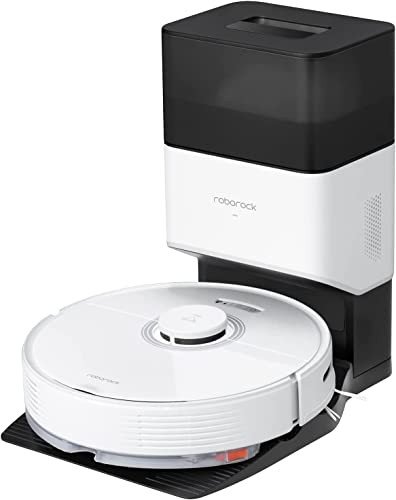
- Self-Emptying Dustbins: Premium designs feature self-emptying dustbins, instantly emptying gathered debris into a bigger bin in the charging dock, lowering manual upkeep frequency.
Think about: Prioritize functions that align with your way of life and needs. App control and scheduling are extremely advantageous for most users. Self-emptying dustbins offer considerable benefit, particularly for homes with animals or frequent cleaning needs.
5. Dustbin Capacity and Maintenance:
The dustbin capacity figures out how typically you require to empty the collected debris.
- Bigger dustbins need less frequent emptying. Think about dustbin size based on your home size and the amount of dirt and particles generally collected.
- Ease of Dustbin Emptying: Look for robotics with easy-to-empty dustbins that lessen dust dispersal.
- Filter Maintenance: Robot vacuums use filters to trap fine particles. HEPA filters are ideal for allergic reaction sufferers. Consider the type of filter, its lifespan, and ease of replacement.
- Brush Cleaning: Brushrolls and side brushes collect hair and particles and require routine cleaning. Try to find designs with quickly detachable brushes for maintenance.
Consider: For pet owners and homes with high traffic, a larger dustbin and quickly maintainable brushes and filters are necessary.
6. Pet Hair Handling:
Pet hair is a common cleaning obstacle. For pet owners, particular features are vital:
- Strong Suction: Essential for efficiently lifting pet hair from carpets and upholstery.
- Tangle-Free Brushrolls: Designed to resist hair twisting around the brushroll, minimizing upkeep. Rubberized brushrolls are frequently much better for pet hair than bristle brushes.
- Larger Dustbin: Pets often produce significant quantities of hair and dander, making a larger dustbin desirable.
- HEPA Filter: Traps irritants and pet dander, improving air quality.
Consider: If you have pets, focus on robot vacuums particularly marketed for pet hair removal, featuring strong suction, tangle-free brushrolls, and HEPA filters.
7. Price and Budget:
Robot vacuum range in rate from affordable to premium.
- Entry-level designs (frequently with random navigation) are more inexpensive.
- Mid-range designs use systematic navigation and a good balance of functions.
- High-end models boast innovative navigation (LiDAR), self-emptying dustbins, and a full suite of smart functions.
- Establish your spending plan before you begin going shopping and focus on the functions that are essential to you within that spending plan.
Think about: Balance your preferred functions with your spending plan. For budget-conscious buyers, consider mid-range designs that offer methodical cleaning without breaking the bank.
Benefits of Embracing Robot Vacuum Cleaners
Purchasing a robot vacuum cleaner uses a wide range of advantages that extend beyond simply clean floorings:
- Time Savings: Reclaim valuable time invested in vacuuming and devote it to more pleasurable activities.
- Benefit: Automated cleaning within your reaches through scheduling, app control, and voice commands.
- Constant Cleanliness: Maintain a consistently cleaner home with regular automated cleaning cycles.
- Minimized Allergens: Many models with HEPA filters help in reducing allergen, pet dander, and other irritants, enhancing air quality.
- Reach Under Furniture: Robot vacuums can access locations under furnishings that are challenging to reach with conventional vacuums.
- Assurance: Enjoy coming home to a tidy floor without lifting a finger.
- Perfect for Busy Lifestyles: Perfect for working experts, families with kids, and individuals with movement constraints.
Maintaining Your Robot Vacuum Cleaner for Peak Performance
To ensure your robot vacuum continues to perform optimally and lasts for many years to come, routine upkeep is key:
Maintenance Checklist:
- Empty the Dustbin Regularly: Empty the dustbin after each cleaning cycle or as required to avoid clogs and keep suction power.
- Tidy the Brushroll and Side Brushes: Remove hair, threads, and particles tangled around the brushroll and side brushes frequently. Many models have detachable brushes for easy cleaning.
- Clean or Replace Filters: Clean or replace filters according to the maker's suggestions to preserve air filtering efficiency.
- Clean Sensors: Periodically wipe the sensing units with a soft, dry fabric to ensure accurate navigation and barrier detection.
- Check Wheels for Debris: Ensure the wheels are without debris for smooth motion.
- Check for Damage: Regularly examine the robot for any signs of damage or wear and tear.
- Software application Updates: Keep the robot's firmware and app updated to benefit from efficiency improvements and new features.
Conclusion: Embrace the Future of Clean
Picking the very best robot vacuum cleaner is an individual journey, customized to your distinct home and way of life. By understanding the crucial aspects, evaluating your requirements, and researching offered alternatives, you can confidently choose a robotic cleaning companion that will reinvent your cleaning routine and bring newfound convenience and cleanliness to your home. Embrace the future of tidy and bid farewell to the days of tiresome vacuuming-- your robot vacuum cleaner is all set to take over!
Frequently Asked Questions (FAQs) about Robot Vacuum Cleaners
Q: Are robot vacuums as effective as standard vacuum cleaners?
A: While robot vacuums might not have the exact same raw suction power as some high-end conventional vacuums for deep cleaning very heavily stained locations, they are highly reliable for everyday upkeep cleaning. Their benefit and capability to clean routinely typically result in a consistently cleaner home in general. For deep cleaning, you may still periodically require a traditional vacuum, but robot vacuum s significantly decrease the frequency.
Q: Can robot vacuums manage pet hair?
A: Yes, lots of robot vacuums are specifically developed for pet hair. Try to find designs with strong suction, tangle-free brushrolls (often rubberized), larger dustbins, and HEPA filters. These features are important for effectively handling pet hair.
Q: Will a robot vacuum damage furniture or walls?
A: Most contemporary robot vacuums have sensors to find challenges and edges, avoiding them from bumping too aggressively into furnishings or falling down stairs. Some models allow you to create virtual limits to even more secure delicate areas.
Q: How long do robot vacuum last?
A: The life-span of a robot vacuum depends on the quality of the model, use frequency, and upkeep. Typically, with appropriate care and upkeep, an excellent quality robot vacuum can last for 3-5 years and even longer.
Q: Are robot vacuums loud?
A: Robot vacuums are typically quieter than traditional vacuums. Noise levels differ in between designs and cleaning modes. Numerous operate at a sound level similar to a quiet conversation. Eco modes are normally the quietest.
Q: Can robot vacuums tidy in the dark?
A: Yes, many robot vacuums can clean in low-light conditions or darkness. LiDAR-based navigation is especially reliable in the dark. Visual SLAM may rely on some ambient light, however generally perform well in typical home lighting conditions.
Q: Do robot vacuums deal with all kinds of floor covering?
A: Most robot vacuums are developed to deal with a variety of floor types, consisting of hardwood, tile, laminate, and carpet. However, extremely deep stack carpets or thick carpets may position a difficulty for some models. Check item specifications to make sure compatibility with your flooring.
Q: What is a self-emptying robot vacuum?
A: A self-emptying robot vacuum comes with a charging dock that also consists of a bigger dustbin. When the robot vacuum's internal dustbin is full, it instantly goes back to the dock and empties its contents into the larger bin. This significantly minimizes the frequency of manual dustbin clearing, providing improved benefit.